Tag: creator tools

  • The Creator Reflection Guide

    The Creator Reflection Guide

    Creator Compass Logo
    The Creator Reflection Guide

    Why Most Creators Never Improve Their Content


    While this constant movement can feel productive,

    It hides an important truth.

    Many creators never pause long enough to learn from their own work.

    Without reflection, improvement becomes difficult.

    Every piece of content contains valuable information.

    Audience reactions, engagement patterns, and reader behavior all reveal insights about what worked and what did not.

    Yet many creators skip the step of examining those signals.

    Instead, they simply continue creating.

    Reflection can feel difficult because it forces creators to slow down.

    Instead of chasing the excitement of a new idea, they must examine existing work objectively.

    But this pause is where meaningful learning occurs.

    Reflecting on content does not require complicated analysis.

    Even simple questions can reveal powerful insights.

    • Which posts attracted the most attention?
    • Which topics generated conversation?
    • Which pieces felt most valuable to readers?

    These questions help creators identify the strengths already present in their work.

    Topics that resonate can be explored more deeply.

    Formats that perform well can be repeated or improved.

    Ideas that did not connect with audiences can be refined or replaced.

    Over time, this process gradually improves the quality and impact of a creator’s work.

    Instead of relying solely on inspiration, they develop a feedback loop that strengthens their content.

    Every piece becomes part of a larger learning process.

    Improvement rarely comes from creating more content alone.

    It emerges from understanding the content that already exists.

    By slowing down long enough to examine patterns, creators can transform their past work into guidance for the future.

    Most creators try to improve their content by doing more.

    But direction doesn’t come from more — it comes from seeing clearly.


    🧭

    This guide is part of the Creator Compass system, a collection of resources designed to help creators build stronger content direction.

  • The First System Every Content Creator Should Build…

    The First System Every Content Creator Should Build…

    The First Content System Every Content Creator Should Build

    It begins with a system.

    A system doesn’t create ideas.

    It creates structure around how ideas are developed.

    • thinking
    • publishing
    • reflection

    Without reflection, creators repeat the same experiments without learning from them.

    Reflection allows creators to notice patterns such as:

    • the topics that resonate
    • the themes that repeat
    • and the ideas that deserve deeper exploration

    When those patterns become visible, content creation becomes easier.

    Creators can then stop guessing.

    A beginner creator system can be extremely simple:

    Publish → Analyze → Reflect.

    And over time, those insights compound.

    Conclusion

    Creators don’t need complex productivity stacks.

    They need a simple loop that helps them learn from their own work.

    That loop is where clarity begins.

    READ THESE BLOG POSTS:

  • Why Most Creator Tech Stacks Don’t Work

    Why Most Creator Tech Stacks Don’t Work

    Many creators believe their tech stack is the key to productivity.

    Why Most Creator Tech Stacks Don’t Work

    They collect writing tools, design apps, automation platforms, and analytics dashboards.

    But over time, the stack becomes heavier rather than more helpful.

    The problem usually is not the tools.

    It’s the order they were adopted.

    The Common Stack Problem

    Most creators build their stack in reverse.

    They start with:

    • marketing tools
    • automation tools
    • distribution platforms

    But skip the foundational layer: clarity.

    Without understanding what their work is actually about, tools simply amplify all the confusion.

    Why Tools Alone Don’t Create Systems

    A real system answers three questions:

    • What am I trying to say?
    • Who is this for?
    • What pattern exists in my work?

    When those answers are missing, creators keep experimenting with new tools instead of improving their thinking infrastructure.

    The Layer Most Creators Skip

    The first layer of a creator stack should always be thinking infrastructure.

    Before optimizing marketing, creators benefit from understanding the patterns in their own content.

    That’s why tools like Postilytic focus on analyzing published work rather than producing new ideas.

    Clarity first. Scale later.

    Conclusion

    A real creator tech stack is built from the foundation upward:

    Thinking → Direction → Publishing → Visibility.

    When that order is respected, tools stop competing for attention and begin supporting momentum.

  • Simple Tools We Use to Support Content Work

    Simple Tools We Use to Support Content Work

    When working with content over time, one learns that the tools matter less than how they feel to use.

    We tend to rely on simple, flexible tools that reduce friction instead of adding layers of process. If something starts to feel heavy or demanding, stop using it!

    Below are a few tools we regularly use to support content work around Postilytic.

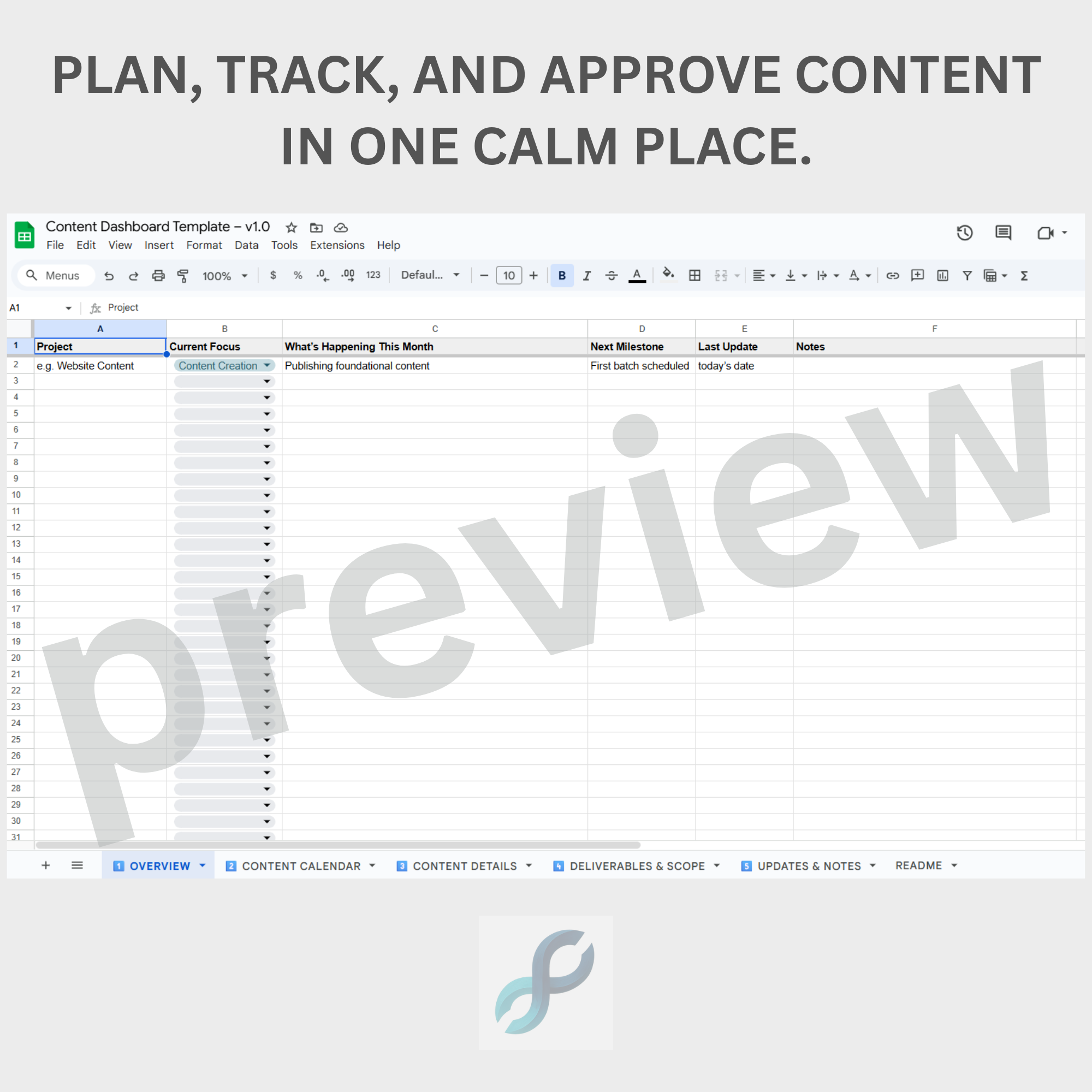
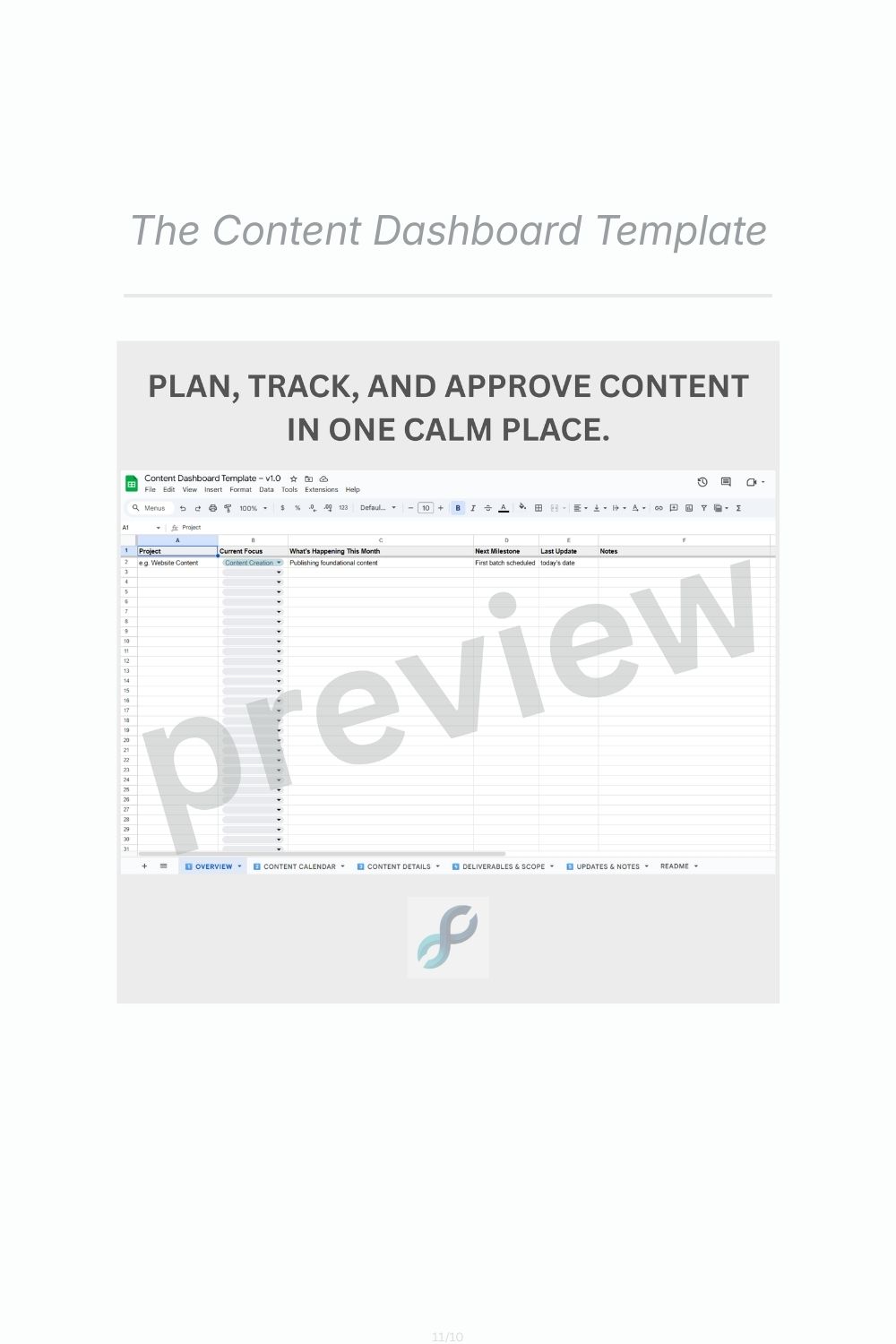
    Content Dashboard Template 2

    It helps keep content calendars, approvals, and deliverables visible in one place without becoming a system to manage.

    There is no automation, no analytics, and no required way to use it — just structure when it’s helpful.

    We have made a copy of this dashboard available for those who prefer a DIY option.

    It’s a simple place to collect thoughts without needing to decide what they are yet.

    Notes can stay loose, unfinished, or purely observational until they’re ready to become something else.

    This helps keep creative thinking separate from planning and delivery, which makes both feel lighter.

    None of these are meant to be comprehensive or prescriptive. They are simply tools we have found useful for keeping content work steady and sustainable.

    If a tool starts to feel like something you need to manage, it is usually a sign it is doing too much.

    The Content Dashboard Template

    Simple tools, used lightly, tend to last the longest.

  • What to Blog About Next…

    What to Blog About Next…

    Stop Guessing What to Blog About Next! Analyze your existing content and find clarity on what to publish based on what’s already working.

    Stop Guessing What to Blog About Next!

    Analyze your existing content and find clarity on what to publish — based on what’s already working.

    Sound familiar?

    • You have ideas… but no confidence.
    • You don’t know what content is actually helping…
    • You’re tired of publishing blind.

    How Postilytic Helps.

    Postilytic analyzes your existing posts to surface patterns, gaps, and opportunities so your next post is a strategic move, not a guess.

    Analyze existing content.

    Identify what’s working

    Guide what to publish next!

    HOW IT WORKS:

    1. Paste your blog URL.
    2. Postilytic analyzes your content.
    3. You get insights to guide your next post.

    Built for independent creators.

    Publish… with Confidence!

    Stop Guessing What to Blog About Next! Analyze your existing content and find clarity on what to publish based on what’s already working.
Logged in: NO
User: none